|
|





Wedding Day Timeline: A Sample Schedule From Prep to Dance
A good wedding day timeline starts from the one fixed point, the ceremony, and works backward and forward from there, leaving breathing room between every item. Most schedules that fall apart do so because each step was planned to take exactly as long as it could, with no buffer for traffic, a missing shoe or a group photo that turns into twenty.
Below is a sample schedule for a ceremony in the late afternoon, followed by the reasoning behind each block so you can adapt it to your own day. Times are illustrations only. Yours will depend on sunset, venue rules, travel and the number of guests.
Start with the fixed points
Write down the things that cannot move:
- Ceremony start time. Often set by the venue, the officiant or religious customs.
- Venue access and curfew. When you can enter, and when music and guests must be gone.
- Sunset time. Look up the date for your location. Daylight shapes when portraits can happen outdoors.
- Meal service. Caterers need a firm time for serving and often for the first course.
- Travel time between locations, including parking and loading time, not just the drive.
Everything else is flexible and can be arranged around them.
A sample timeline (4:30 pm ceremony)
| Time | What happens | Notes |
|---|---|---|
| 10:00 am | Hair and makeup begin | Start with whoever needs the most time |
| 12:30 pm | Lunch for the wedding party | Eating matters more than people expect |
| 1:30 pm | Detail photos: rings, invitations, flowers, shoes | Done before dressing, with calm light |
| 2:15 pm | Getting dressed | Allow extra time for buttons, ties and jewelry |
| 3:00 pm | Couple’s private moment or first look | Optional, and also a good time for portraits |
| 3:15 pm | Portraits of the couple and the wedding party | Done before guests arrive |
| 4:00 pm | Wedding party hidden away, guests seated | Leave 30 minutes of cushion |
| 4:30 pm | Ceremony | Around 20 to 30 minutes for many ceremonies |
| 5:00 pm | Receiving line or group family photos | Prepare a written list |
| 5:30 pm | Cocktail hour | Couple takes a few minutes to eat or rest |
| 6:30 pm | Entrances, first dance, toasts | Keep toasts short |
| 7:00 pm | Dinner | Plated meals run longer than buffets |
| 8:15 pm | Cake cutting, parent dances, open dance floor | |
| 8:45 pm | Sunset portraits, five to ten minutes | If weather and light allow |
| 10:30 pm | Last dance, send-off | Match to the venue’s curfew |
Why each block takes the time it does
Getting ready
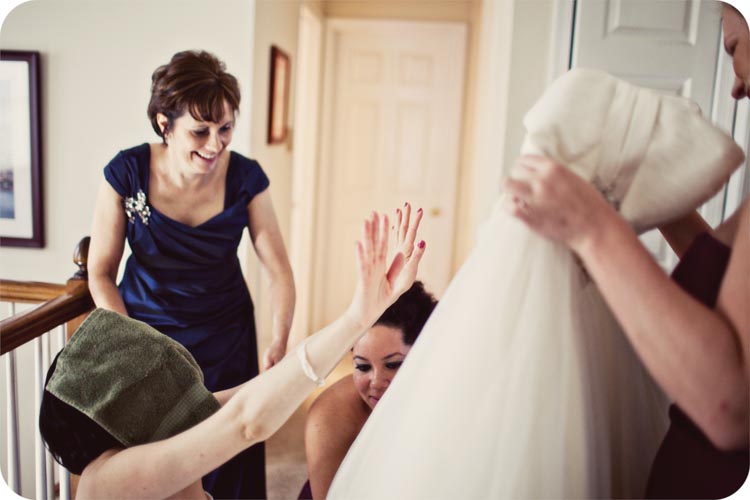
Hair and makeup are often the slowest part of the morning. Ask the artists how long each person needs and add 15 minutes. Putting the most complex hairstyles first protects the schedule.
Photos before the ceremony
If you choose to see each other before the ceremony, the pictures can be taken in relaxed time, away from guests. It also frees up the cocktail hour so you can join your guests. If you prefer to wait until the aisle, plan portraits after the ceremony and make sure the schedule leaves for them at least 45 minutes to an hour, with the wedding party’s formal portraits kept short.
Family group photos
List the groups in advance, in order, and give a copy to the photographer and someone who knows the relatives by sight. Each combination of people takes a minute or two to assemble, so a list of fifteen groups is closer to half an hour than to five minutes. Ask a friend to gather the next group while the current one is being photographed.
Receptions
The first hour decides the mood. Doing entrances, the first dance and toasts early gets the formal moments out of the way and leaves the evening to dancing. Toasts rarely run shorter than planned, so cap the number of speakers.
Plan the buffers
A rule of thumb that planners often use is to add a cushion after anything involving people, hair or travel. Where you can, protect these points:
- Before the ceremony: 15 to 30 minutes of slack in case the officiant, a guest or a bridesmaid is late.
- Between locations: extra time for loading, parking and walking.
- Before dinner: guests get restless if the reception runs long without food.
- At the end: a few minutes at the venue for packing up and a quiet exit.
When ceremony and reception share a site
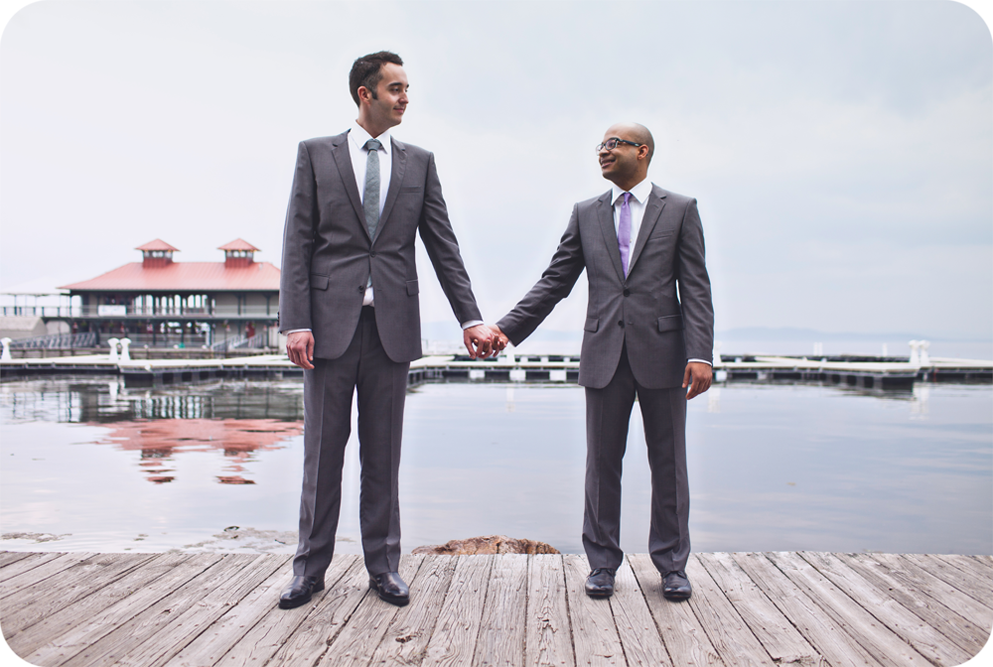
A day held at one location is simpler. A wedding on the archived page about a Vermont wedding on Lake Champlain held both the ceremony and the reception at the same lakeside center, which removes travel from the schedule entirely. With a single venue, the main tasks are resetting the space between ceremony and dinner and finding quiet places for the couple.
Adjusting for other formats
- Morning ceremony. Shift everything earlier, remember that guests may expect brunch, and plan portraits when light is soft.
- Evening ceremony in winter. Sunset may come before the ceremony ends. Do portraits beforehand, or plan for lighting indoors.
- Two ceremonies or cultural traditions. Ask the families to explain each tradition’s time requirements and who needs to be present.
- Small weddings. Fewer groups and guests make everything quicker, but keep the buffers.
More examples of how different weddings and sessions were laid out can be found in the blog archive.
Frequently asked questions
How long should a wedding day timeline be?
It depends on the style of the day, but many run eight to twelve hours from first preparations to last dance. Build the schedule from the ceremony and the venue curfew, not a standard length.
How much time should I allow for couple portraits?
Allow at least 30 minutes for a few relaxed portraits, and more if you want several locations. If your day is tight, a short session at sunset can add variety without extending the schedule.
Should I do a first look?
It depends on your preference. A first look moves portraits earlier and gives you private time. Waiting until the aisle keeps the traditional moment. Both can work with a good timeline.
Who should hold the timeline on the day?
Give it to the planner or coordinator if you have one. Otherwise, name a trusted friend or family member and send the schedule to vendors beforehand.
What if we run behind schedule?
Cut from the end of a block, not the middle. Shorten family photos or toasts first, and keep the meal time. Guests remember food and the first dance more than exact timings.
Last thing to check
Read the finished timeline aloud and walk through it as if you were each person involved. Where the plan relies on everyone moving instantly, add time. That small exercise usually reveals the weak points before the day itself does.