|
|


Chinatown Photo Walks in New York: Color and Street Life
Chinatown in lower Manhattan packs signage, produce stalls, narrow side streets and crowds into a few blocks, which makes it a rewarding place for photos on foot. Plan the walk around a loose loop, shoot in the softer light of early morning or late afternoon, and treat the people who live and work there with the same courtesy you would want on your own street.
The notes below cover where to look, what to bring and how to behave. Opening times and events change, so check current details with the venues themselves before you set out.
Getting oriented
Chinatown lies south of Canal Street and east of Broadway, and it has spread over the years into neighboring blocks. Canal Street is a good starting line, but the more interesting frames tend to be on the narrower streets nearby. The Museum of Chinese in America, on Centre Street, is a useful place to understand the neighborhood’s history of migration and community before you start photographing it. The museum’s own website has current visiting information.
A simple loop might run from Canal Street down Mott Street, across to Doyers Street, through to the Bowery and back toward the parks. Walking without a fixed destination suits street photography, but a rough route keeps you from retracing your steps.
What to look for
Signs and layers
Chinatown’s shopfronts stack signs in Chinese and English, in red, yellow and neon. Look up. Fire escapes, awnings and hand-painted signs create layered compositions. A longer lens can compress these layers into a dense pattern.
Food and markets
Fruit and vegetable stalls, bakery windows and seafood displays offer color and texture. Photograph the produce and the arrangement of the stall rather than assuming you can photograph the person without asking.
Doyers Street
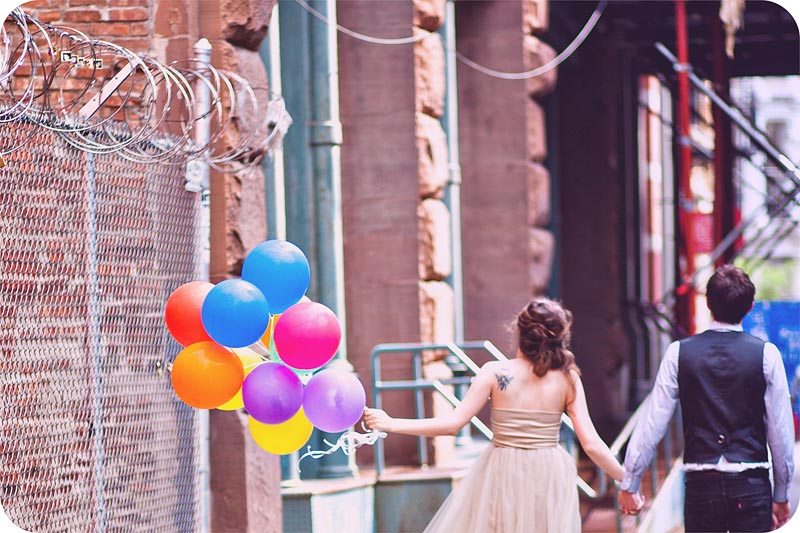
This short, bent street is a favorite for its curve and for the sense of enclosed space. It also gives a natural frame for a couple walking away from the camera.
Columbus Park
The park is a place for gatherings and games in good weather. Keep a respectful distance, and don’t point a camera in the face of someone engaged in a private conversation.
Details
Lanterns, door handles, stacked crates, steam from kitchens, reflections in shop windows and wet pavement after rain all make good detail shots.
Light and timing
- Early morning shows the working side of the neighborhood: deliveries, stalls being set up, quieter sidewalks.
- Late afternoon brings low side light down the east-west streets, though tall buildings cast heavy shade early.
- Overcast days flatten contrast and make colors look richer, which suits signage and food.
- After dark, neon and window light add mood. Raise your sensitivity setting and steady the camera against a wall or railing.
Weekend afternoons are the busiest. If you want space for portraits, go on a weekday morning.
Street etiquette
Photographing in public is common, but good manners go further than the law.
- Ask before taking a close portrait, particularly of vendors at work. A smile and a gesture often is enough, and a “no” should be respected.
- Don’t block doorways, stalls or narrow sidewalks while you set up a shot.
- Don’t photograph inside shops or temples without permission; some places do not allow it.
- Be aware of children, and don’t photograph them without a parent’s consent.
- If someone objects, put the camera down and move on.
Treat the neighborhood as a living place, not a set.
Gear that fits the walk
A small camera or a phone is less intrusive than a large kit. If you use a camera with interchangeable lenses, a 35mm or 50mm equivalent handles most scenes. A compact bag keeps your hands free. Bring a spare battery, since cold or constant shooting drains it faster than expected.
Portraits and couple sessions
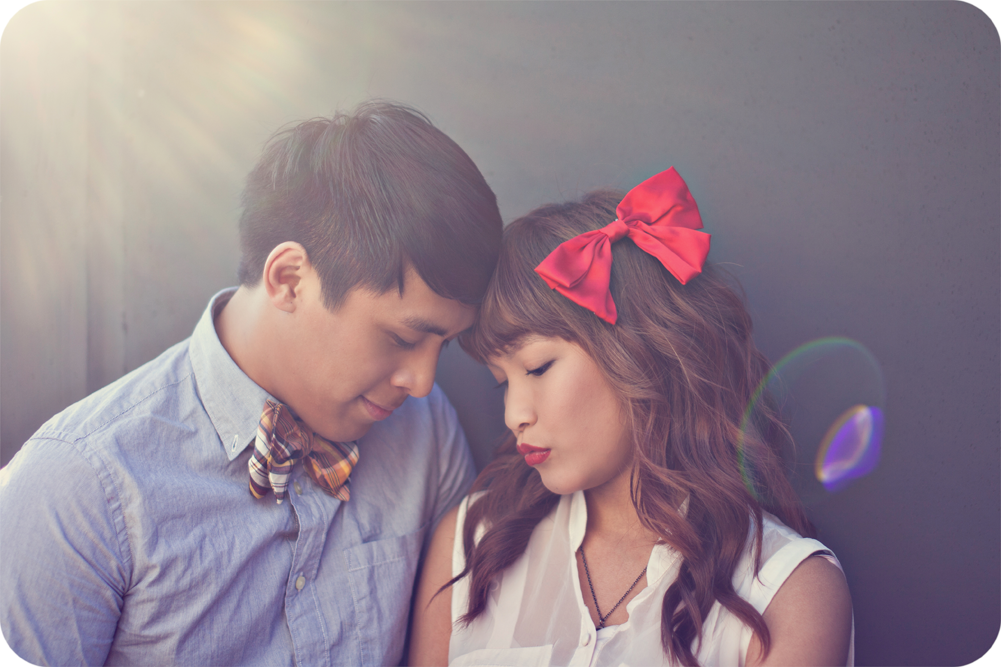
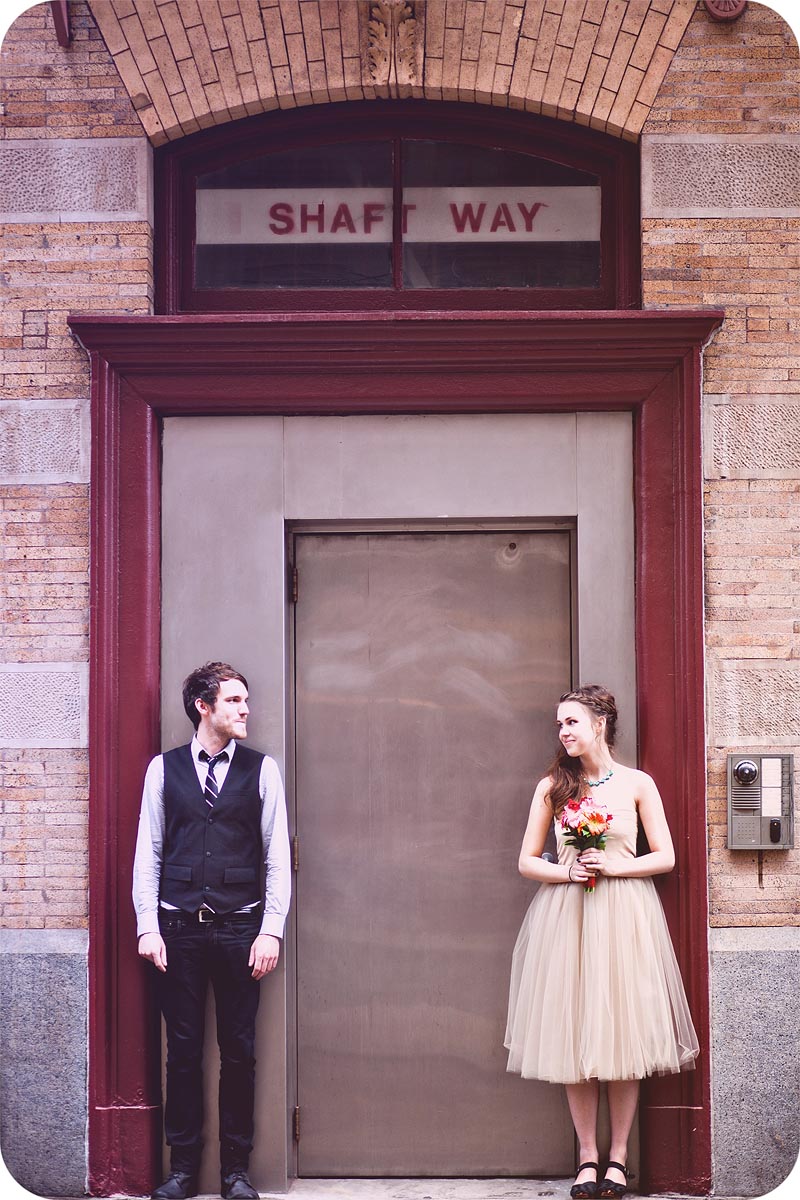
Chinatown’s streets suit portraits when you keep the background simple: a single bright sign behind the subject, or a plain wall with strong color. Shoot with a wider aperture to soften the busy backdrop, and watch for signs or objects that appear to grow out of someone’s head.
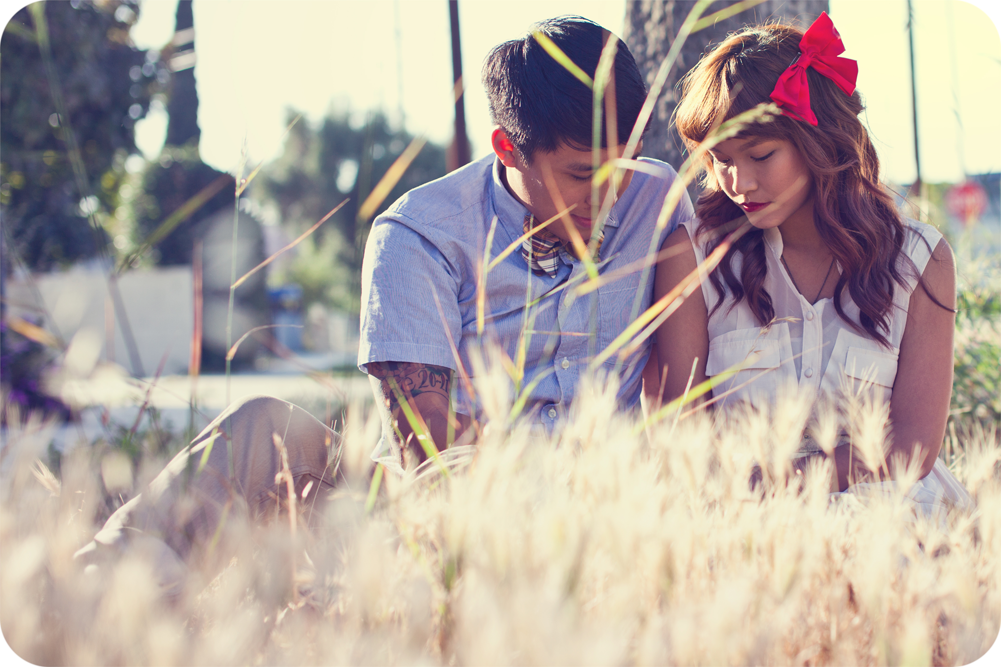
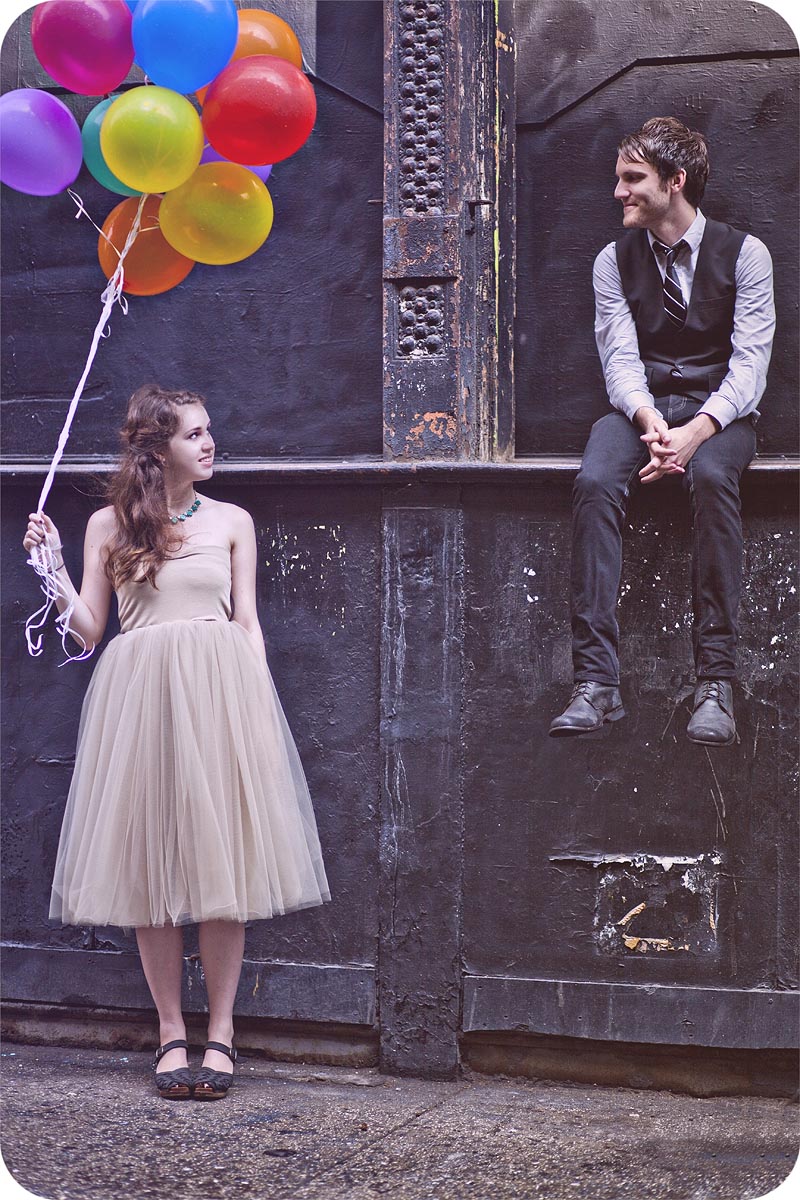
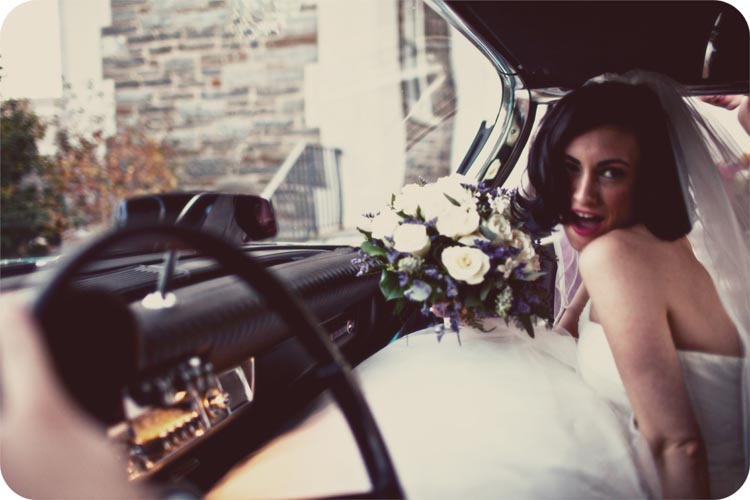
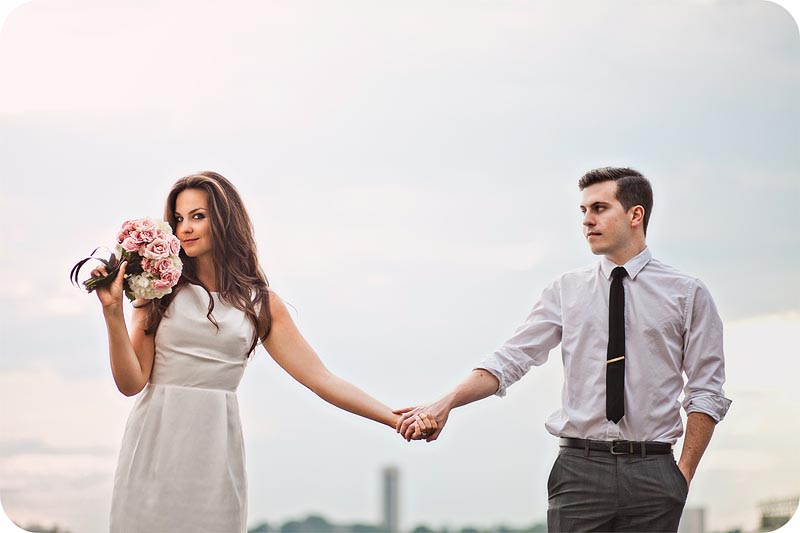
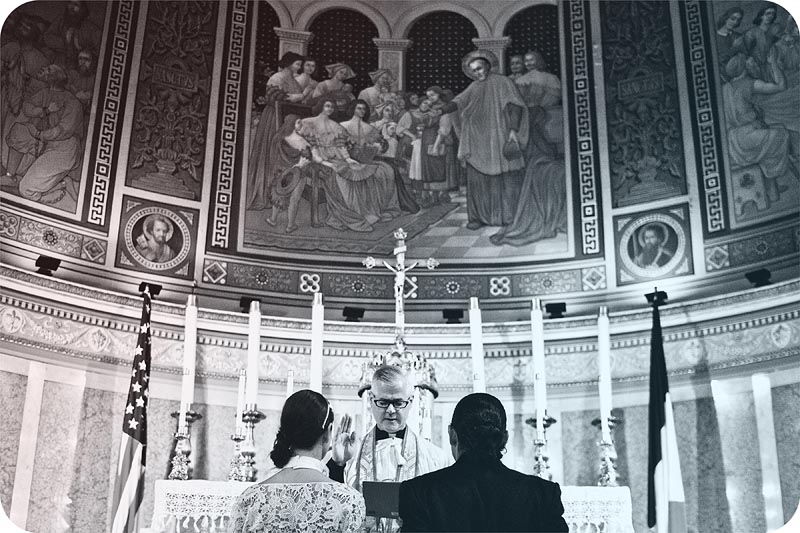
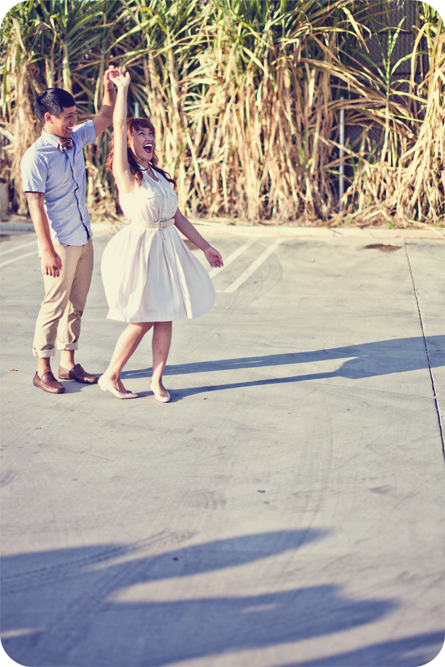
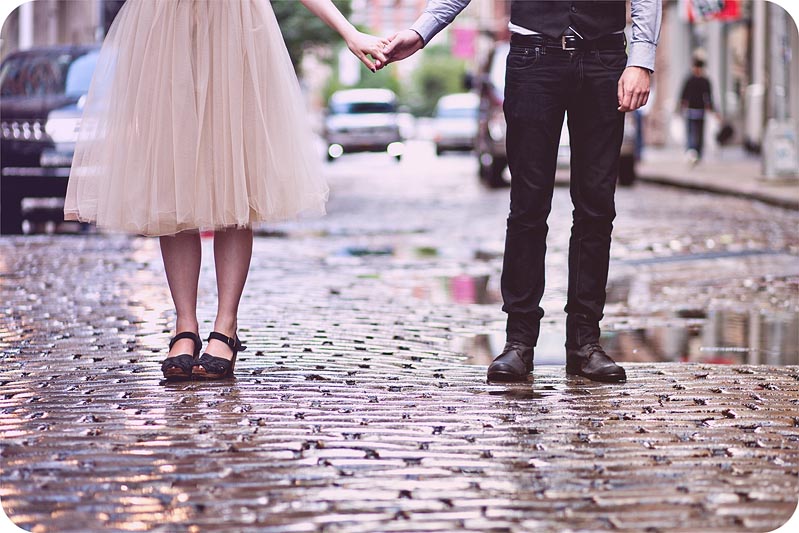
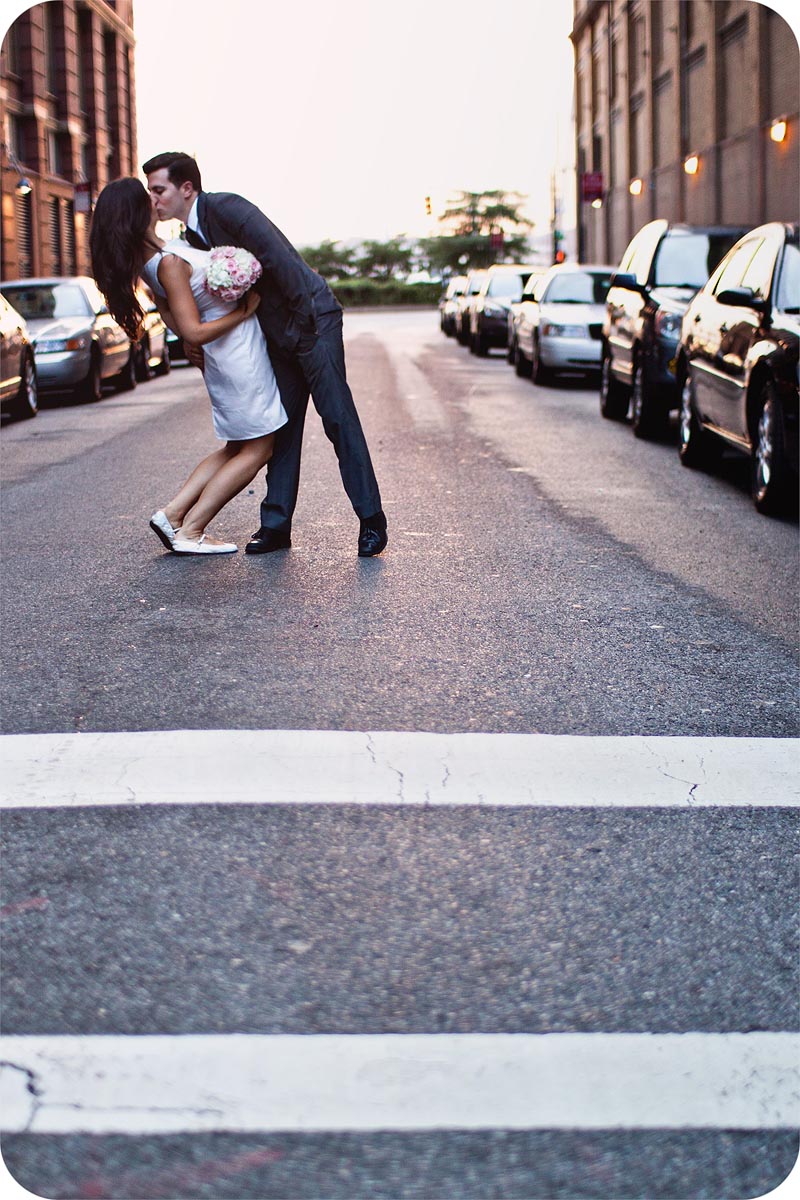
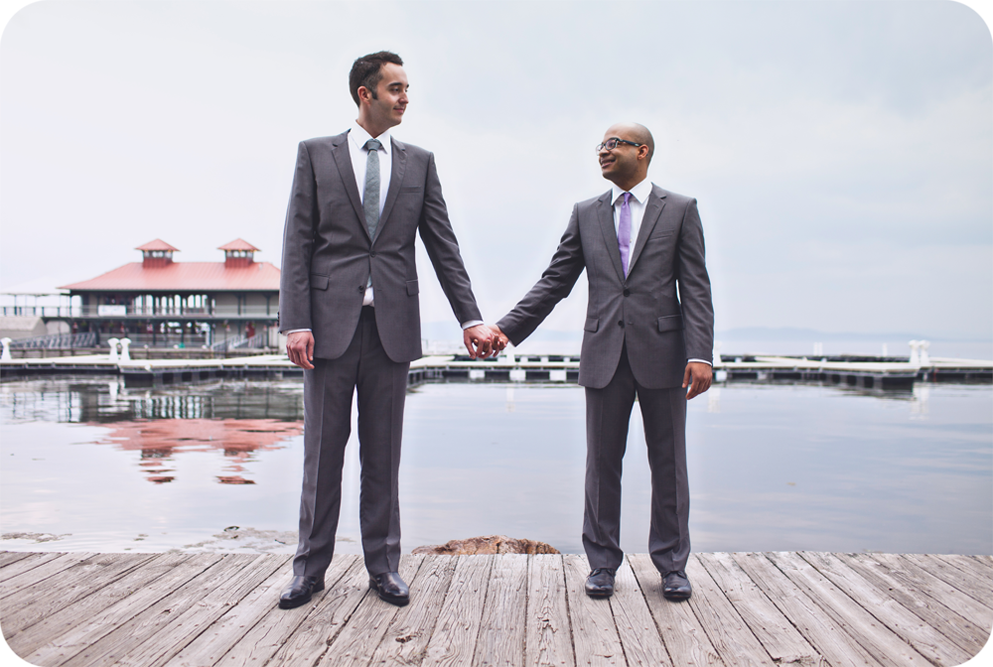
For couples, this site has a page on a Chinatown engagement session in part one, and a page about a private elopement in New York City shows how the city works as a backdrop for small ceremonies.
A sample two-hour pace
Photo walks run better with a rhythm than with a rigid schedule. One way to split the time:
- First 30 minutes: walk the main streets without shooting much. Notice where the light falls and where people gather.
- Next 45 minutes: work two or three promising spots in depth. Wait for someone to walk through a patch of light, or for a delivery cart to roll into the frame.
- Next 30 minutes: shoot details and signs on the side streets, where the crowds thin out.
- Last 15 minutes: look back over your frames, and revisit one spot where you felt you missed the shot.
Keeping a count of “keepers” per stop helps you see which locations actually worked.
Seasonal notes
Winter brings steam from kitchens and early darkness, which suits neon and window light. Spring and fall give mild temperatures for long walks. Around Lunar New Year, lion dances, parades and firecracker ceremonies draw large crowds and add color, but also make it harder to move and set up shots. Check the dates and any street closures with local listings before you plan a visit.
Weather and comfort
Summer afternoons are hot and humid, and streets can feel crowded and warm. In winter, the narrow streets channel wind. Wear comfortable shoes, carry water and plan a break for food. Lunch is one of the best parts of the walk, and many photographers add some of their best frames while eating.
Frequently asked questions
Is it legal to photograph people in Chinatown?
In general, photographing people in public places in the United States is lawful, but laws on commercial use, recording and private property can differ. Courtesy is a separate matter, so ask when in doubt.
When is Chinatown most photogenic?
Many photographers favor early mornings for activity and late afternoons for softer light. Lunar New Year celebrations add color but also large crowds, so check event details beforehand.
Can I bring a tripod?
On crowded sidewalks a tripod can get in the way. A small support or a steady lean against a wall is often more practical.
Do I need permission for a professional shoot?
Rules for permits on public land differ by site and purpose. Check with the relevant city agency, such as the Mayor’s Office of Media and Entertainment, if you are planning a commercial production.